Gangaramaya Nawam Maha Perahera

Gangaramaya Nawam Maha Perahera

Where Culture, Faith, and History Unite.

Colombo, Sri Lanka

About the Festival

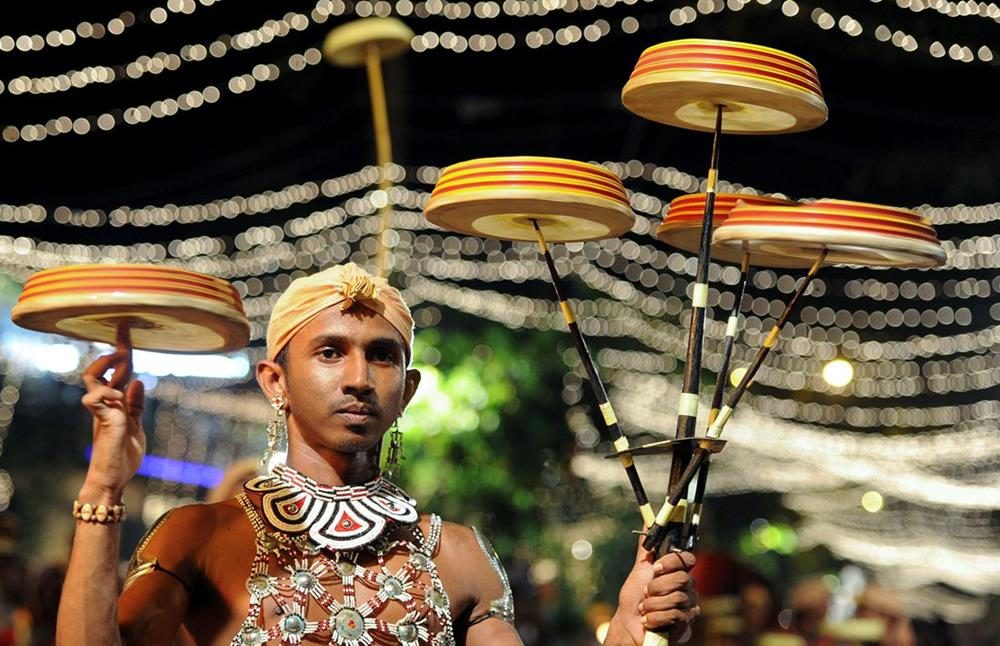
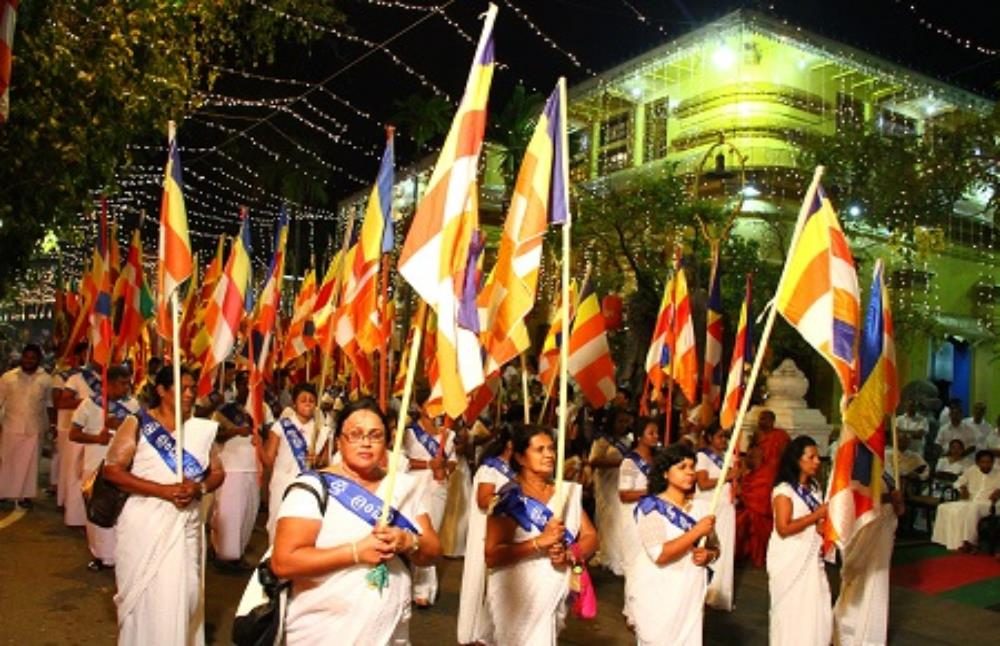
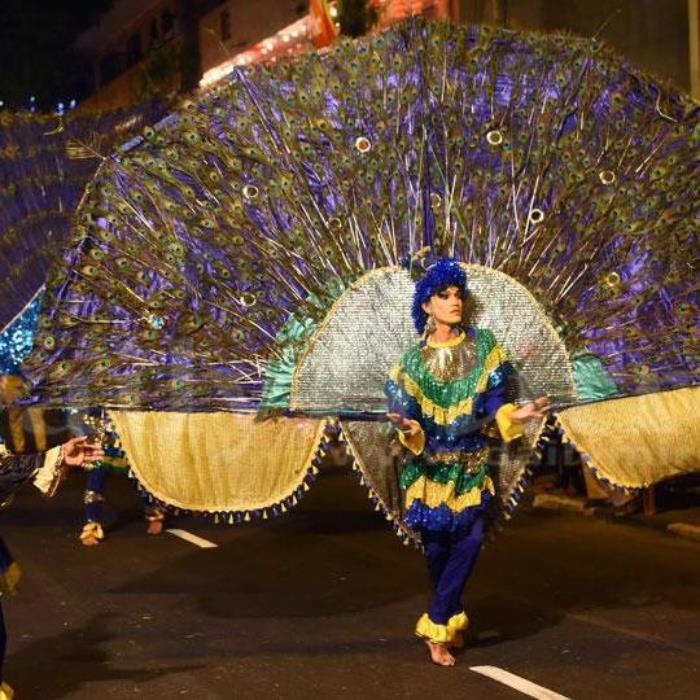
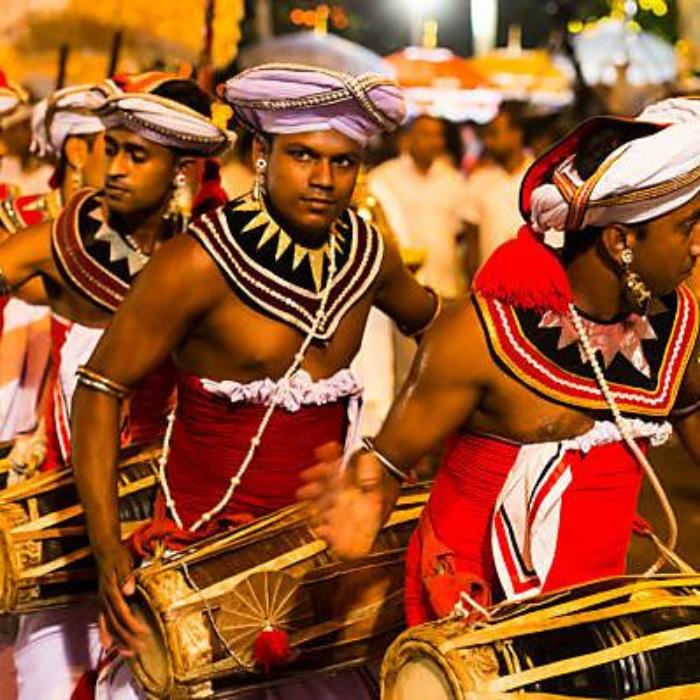
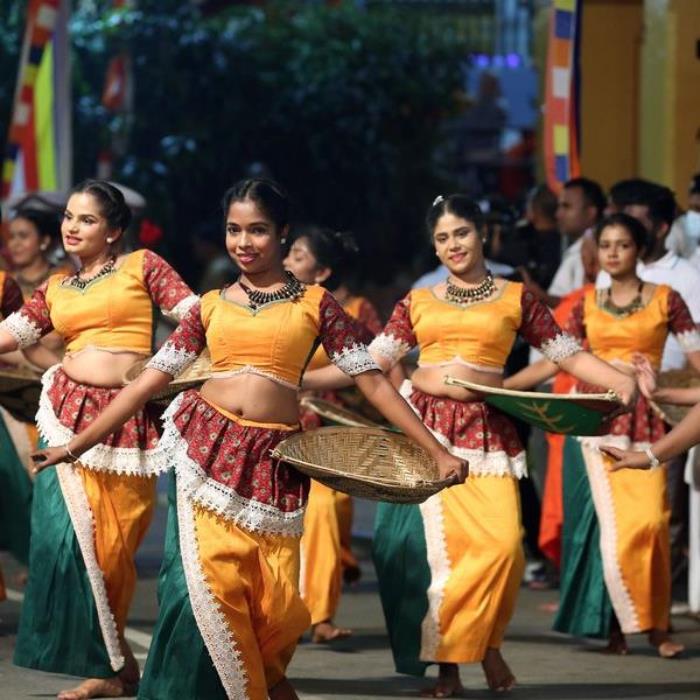
The Navam Maha Perahera is one of Colombo’s most important Buddhist cultural processions, organized annually by the historic Gangaramaya Temple. Held on the Navam Full Moon Poya Day in February, this grand event celebrates Sri Lanka’s rich religious heritage and traditional arts. Unlike ancient village peraheras, Navam Maha Perahera is a relatively modern yet deeply symbolic procession, designed to bring Buddhist values, culture, and unity into the heart of the capital city. Featuring majestic elephants, traditional dancers, drummers, and beautifully illuminated floats, the perahera transforms Colombo’s streets into a vibrant spiritual spectacle, attracting devotees, locals, and international visitors alike.

History & Origins

The Navam Maha Perahera was initiated in 1979 by the late Ven: Galboda Gnanissara Thero, the Chief Incumbent of Gangaramaya Temple. Unlike older peraheras that originated during ancient kingdoms, this procession was created to reintroduce Buddhist cultural traditions into urban Colombo. Since its inception, the perahera has grown rapidly in scale and recognition, becoming one of the most prominent annual religious events in the city. Over the decades, it has evolved into a symbol of modern Sri Lankan Buddhism, blending traditional rituals with organized urban pageantry while preserving the essence of religious devotion, discipline, and cultural pride.

Cultural Significance

The Navam Maha Perahera holds deep religious and cultural significance for Buddhists in Sri Lanka. It is conducted to honor the Triple Gem—the Buddha, Dhamma, and Sangha—and to promote harmony, morality, and compassion. The procession also commemorates important Buddhist traditions associated with Navam Poya, including the first Buddhist council and the appointment of chief disciples. Culturally, the perahera serves as a living showcase of Sri Lanka’s classical dance forms, drumming traditions, and ceremonial customs. It reinforces national identity while educating younger generations about heritage, discipline, and respect through sacred ritual and performance.

img2

Rich Ecosystems

Lorem ipsum dolor sit amet, consectetur adipiscing elit. Ut elit tellus, luctus nec ullamcorper mattis, pulvinar dapibus leo.

img2

Rich Ecosystems

Lorem ipsum dolor sit amet, consectetur adipiscing elit. Ut elit tellus, luctus nec ullamcorper mattis, pulvinar dapibus leo.

img2

Rich Ecosystems

Lorem ipsum dolor sit amet, consectetur adipiscing elit. Ut elit tellus, luctus nec ullamcorper mattis, pulvinar dapibus leo.

img2

Rich Ecosystems

Lorem ipsum dolor sit amet, consectetur adipiscing elit. Ut elit tellus, luctus nec ullamcorper mattis, pulvinar dapibus leo.

Highlights

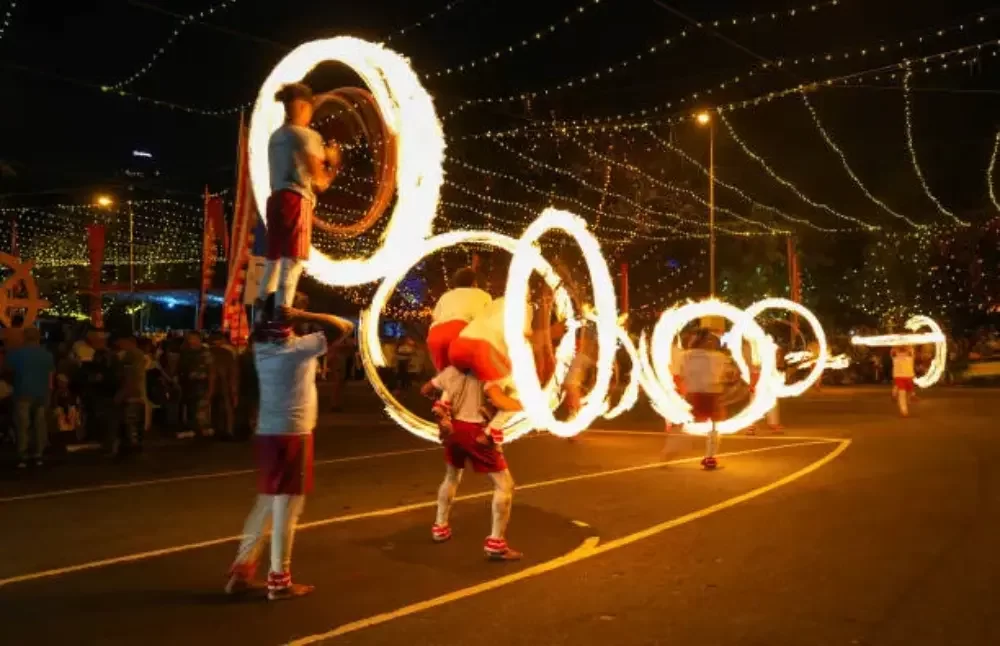
Torch bearers, whip crackers, and flag bearers7 gangarma nawam maha perahara

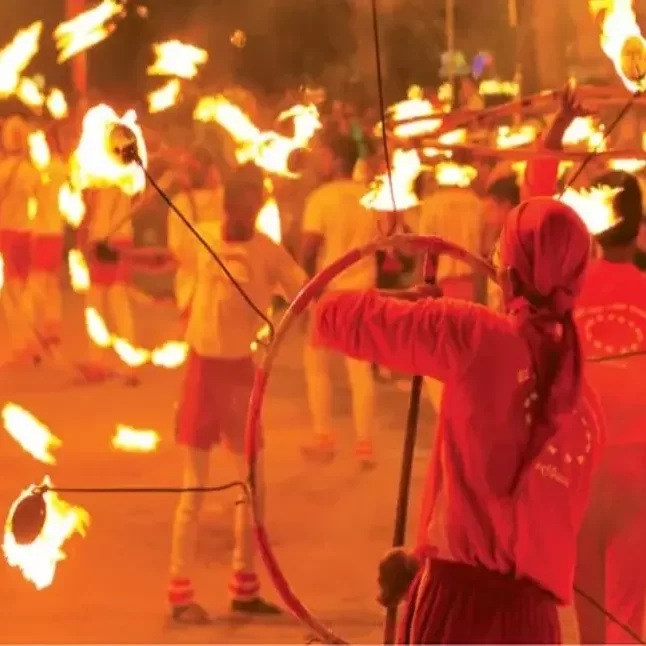
Fire Dancers

Mesmerizing performers who manipulate fire with breathtaking skill, illuminating the night and dispelling darkness in a ritual display of bravery.

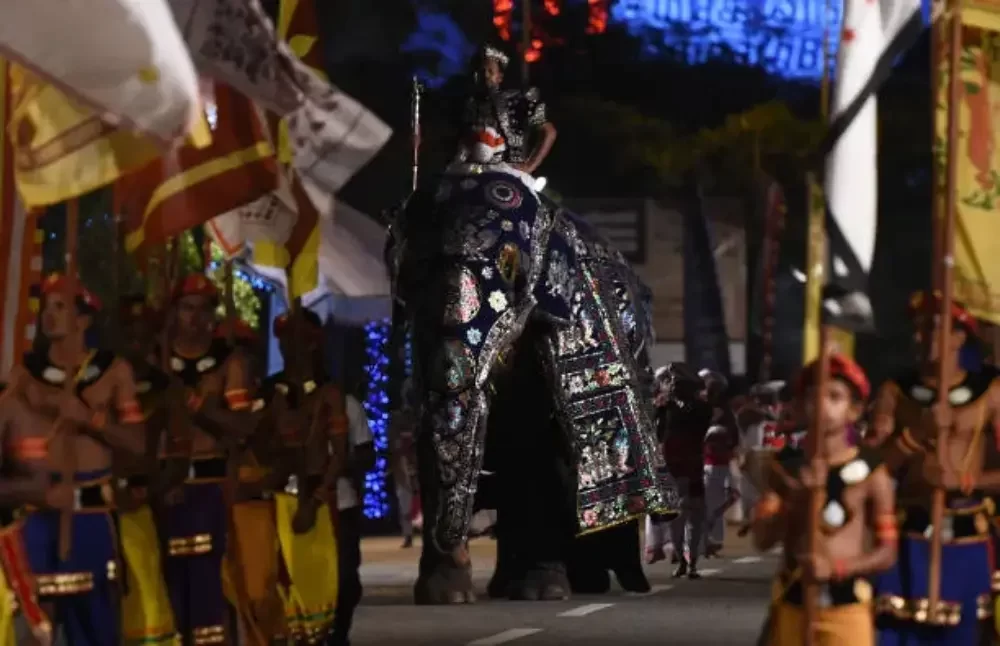
elephants-gangaramaya navam maha perahera sri lanka

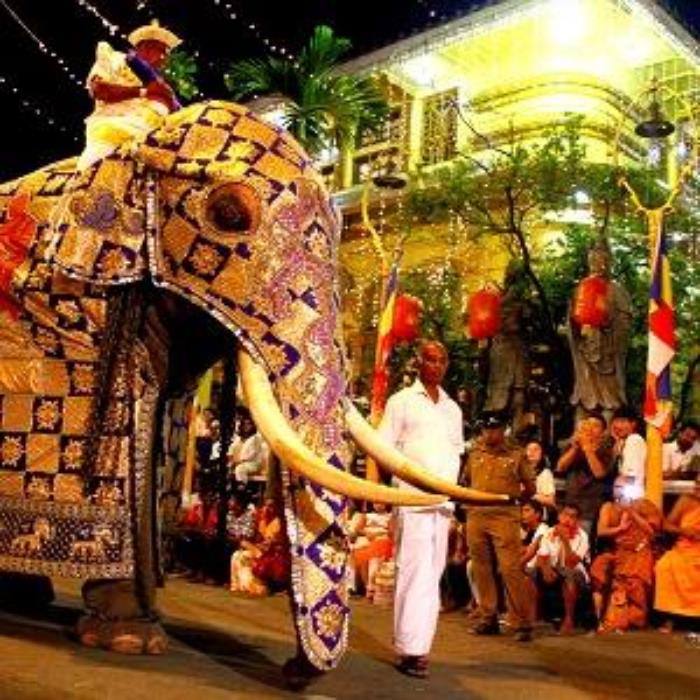
Decorated Elephants

Majestically adorned elephants, illuminated with lights and traditional garments, are the most iconic feature of the procession.

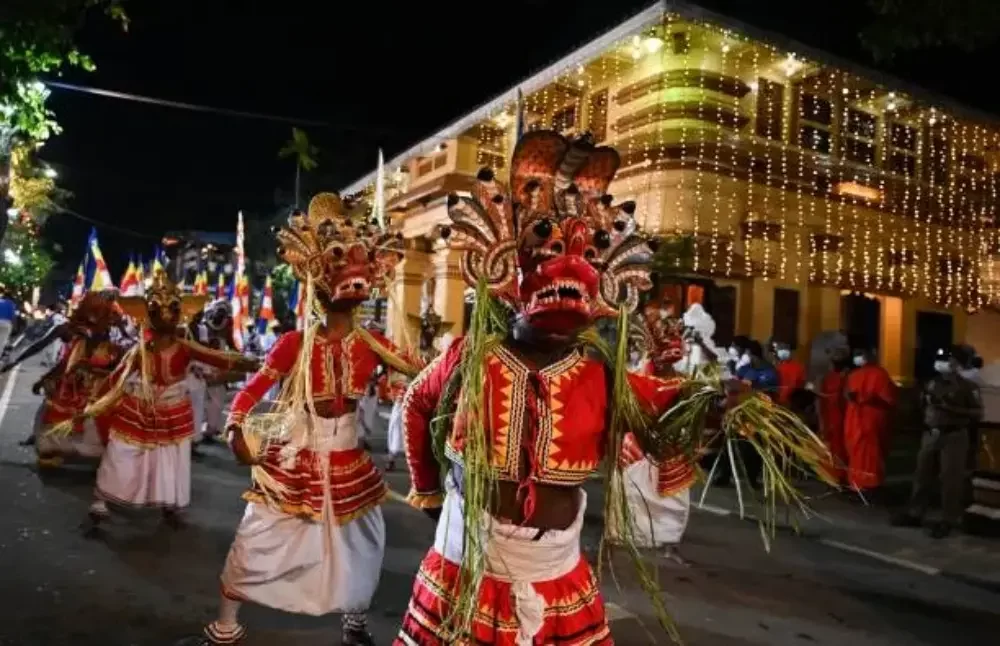
traditional-dancers-perform-gangaramaya navam maha perahera sri lanka

Traditional Dancers

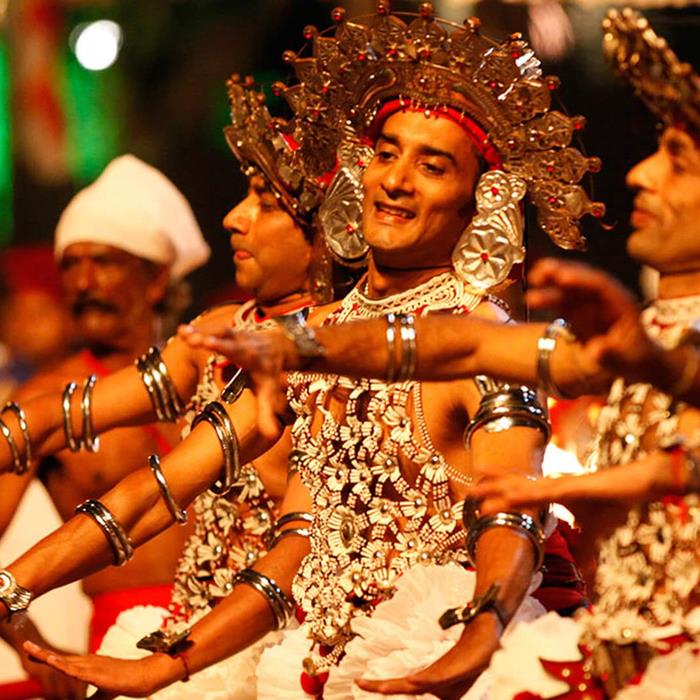
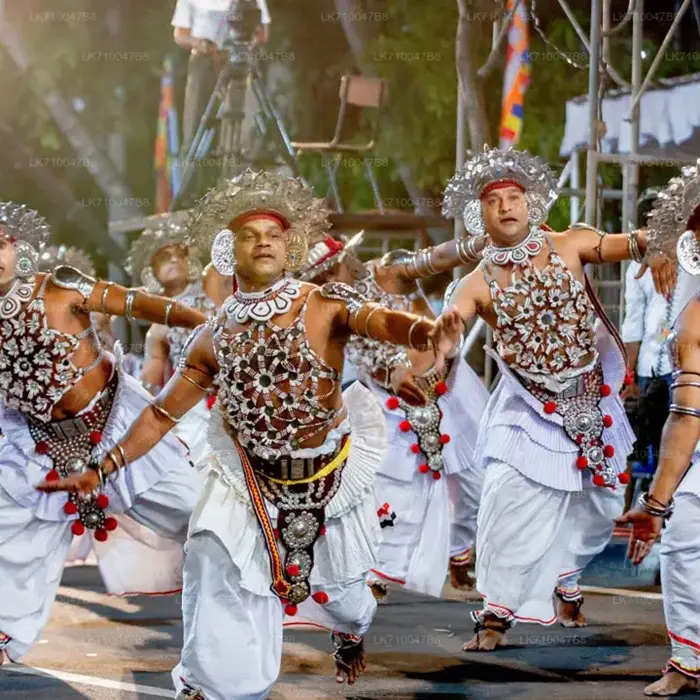
Masked traditional dancers in colorful costumes perform during the Navam Maha Perahera, bringing ancient rituals to life through rhythmic movement and vibrant street processions.

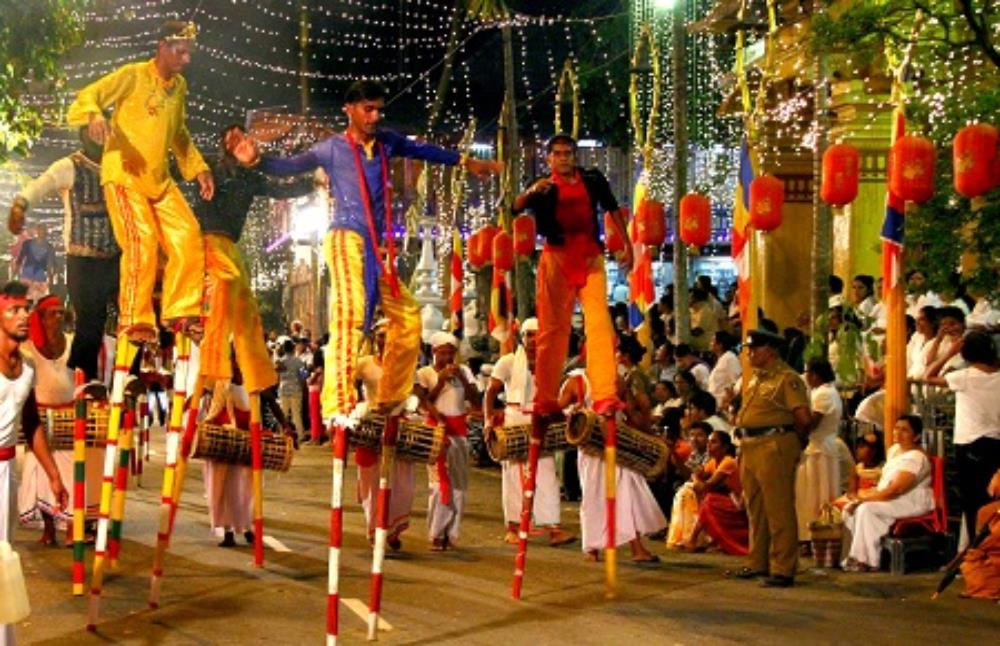
Stilt Walkers (Borukakul)

Towering performers walking high above the crowd on wooden stilts, a unique folk tradition that adds a playful and distinctive element to the parahera.

Torch bearers, whip crackers, and flag bearers 5 gangarma nawam maha perahara

Raban Spinners

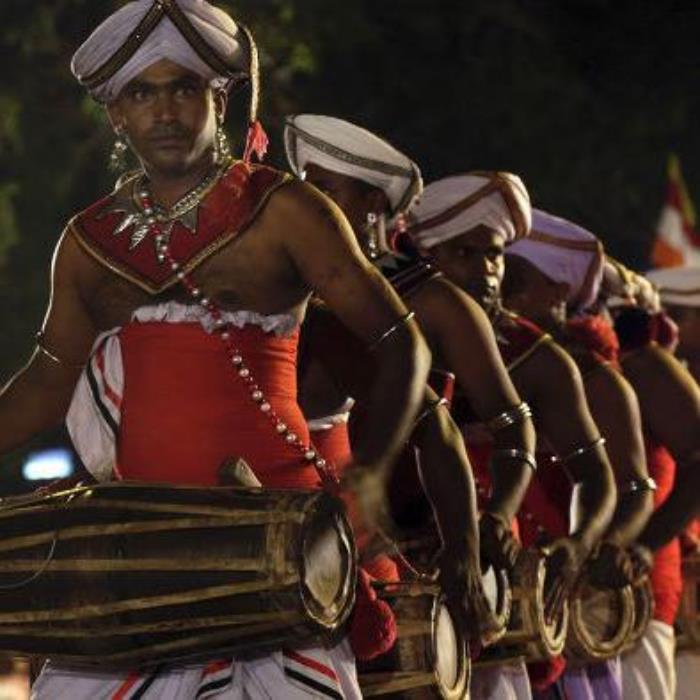
Traditional performers spinning and playing the “Raban” (hand drums), showcasing the diverse folk rhythms of Sri Lankan heritage

Torch bearers, whip crackers, and flag bearers 3 gangarma nawam maha perahara

Flag Bearers

Carrying flags and ceremonial umbrellas (Sesath), representing the unity of the island.

Visitor Information

Date, Time & Location:

Event Date: Annually on Navam Full Moon Poya Day (February)
Duration: Usually two consecutive nights
Start Time: Evening (around 6:00 PM onwards)
Location: Colombo city
Main Organizer: Gangaramaya Temple
Setting: Central Colombo streets near Beira Lake

Perahera Highlights:

Majestically adorned elephants leading the procession
Traditional Kandyan, Low Country, and Sabaragamuwa dancers
Powerful rhythmic drumming and flute performances
Torch bearers, whip crackers, and flag bearers
Illuminated cultural floats and ceremonial attire

Nearby Attractions:

  • Seema Malaka Temple


  • Beira Lake


  • Vihara Mahadevi Park


  • Colombo National Museum

Contact us

Get in touch with us for inquiries, or to learn more.

Gangaramaya Temple

Gangaramaya Temple, located near Beira Lake in Colombo, is one of Sri Lanka’s most important Buddhist temples. Established in the late 19th century, it serves as a place of worship as well as a center for education, charity, and cultural activities. The temple is renowned for its distinctive architecture, which combines elements of Sri Lankan, Thai, Indian, and Chinese styles. Gangaramaya Temple plays a key role in organizing the Navam Maha Perahera, maintaining religious traditions and cultural values while promoting Buddhist teachings to both locals and visitors.

Quick Links

Resources